Let’s break it down. No fluff. Just real talk.
1. What Is EI, really?
Emotional Intelligence is the ability to:
- Recognize and understand your own emotions
- Manage your reactions
- Read the emotions of others
- Navigate relationships effectively
This isn’t a soft skill. It’s a business-critical skill, especially for people managers, team leads, and C-levels.
2. What EI Looks Like in Real Life
Let’s go straight to the Disney boardroom.
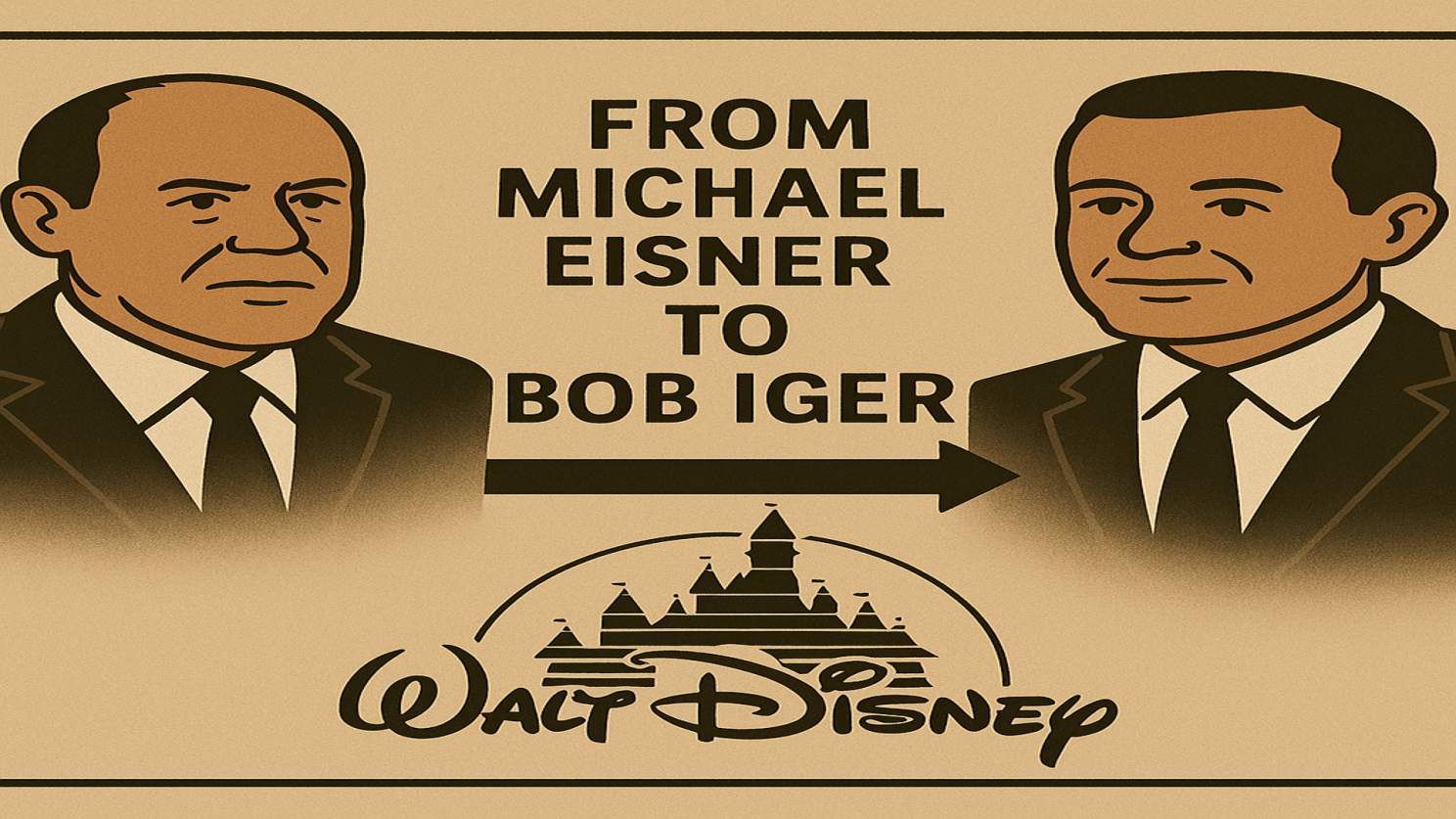
Michael Eisner: smart, bold, and driven. But low EI. He micromanaged, lost key creative relationships (like Pixar), and created a culture of fear. That led to internal disengagement and public shareholder revolt.
Bob Iger: emotionally intelligent. He listened, rebuilt trust, and let creativity thrive. He didn’t overpower—he empowered. Under his leadership, Disney went from fractured to unstoppable.
3. Can You Coach EI? Absolutely.
EI isn’t fixed. It can be developed. Here’s how:
- Start with self-awareness → Use 360s, journaling, or coaching to help leaders see their blind spots.
- Practice regulation → Help them learn how to respond, not react—especially under pressure.
- Build empathy → Through active listening, asking better questions, and understanding others’ perspectives.
- Develop social skills → Roleplay difficult conversations, give feedback training, and observe team dynamics.
HR’s role? To create the space and accountability for this growth.
4. Why It Matters for HR
We see it all: The managers who burn out their teams. The leaders who can’t take feedback. The meetings that feel like power plays instead of conversations.
The root issue? Low EI. You can’t culture your way out of it. You have to coach it.
If your leadership team isn’t working on their emotional intelligence, they’re already behind.
Let’s make EI a baseline, not a bonus.